How is Cloud Computing transforming the retail industry? | Advantages of Cloud Computing
By


Let’s Talk
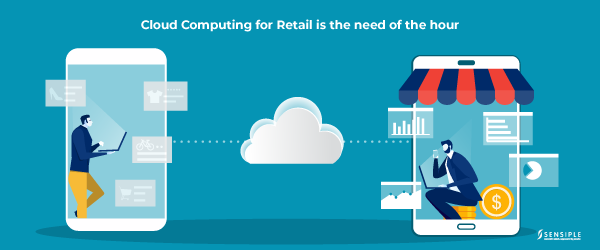
Retail Cloud Computing Market Analysis
What are the Advantages of Cloud Computing in the Retail Industry?
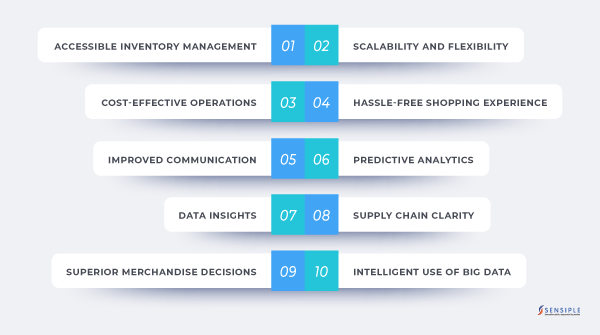
1) Accessible inventory management:
2) Scalability and Flexibility:
Cloud adoption in the retail industry offers a flexible solution for retailers to manage their computing usage with diverse pricing options. With cloud computing, retailers can easily handle unexpected situations and scale their operations more efficiently. The cloud-based model enables retailers to adapt to changing market conditions and respond to customer needs quickly while keeping costs under control.
3) Cost-effective Operations:
Cloud computing significantly reduces operations costs by saving money on operational expenditure budgets for software, hardware, and connectivity. With cloud computing, retailers can eliminate time spent on planning, development, and budget approval for capital expenditure, planning, and operations.
4) Hassle-free shopping experience:
Cloud computing in retail gives real-time data related to customers and their shopping details for delivering customized recommendations, coupon codes, memberships, and promotions. Customers can have access to stores 24*7.
5) Improved Communication:
Cloud Computing streamlines retailers with in-house and out-house communication across departments. There will be a significant reduction in miscommunications and improved collaboration across departments.
6) Predictive analytics:
7) Data insights:
Cloud computing centralizes structured and unstructured data from multiple sources, facilitating quicker data modeling and predictive analytics. With in-depth data visibility, retailers can drive more efficiency and performance-driven outputs.
8) Supply Chain clarity:
9) Superior Merchandise Decisions:
10) Intelligent use of Big Data:
How can Google Cloud Platform (GCP)help retailers?
- Omnichannel growth: With Google Cloud, retailers can achieve a seamless shopping experience across different channels, including online and offline stores. Retailers can leverage GCP’s AI/ML capabilities to personalize the shopping experience for customers and provide targeted offers based on their purchasing history, browsing behavior, and preferences. Google Cloud also offers solutions for real-time inventory management, demand forecasting, and supply chain optimization, which help retailers ensure that products are available when and where customers need them
- Operational improvement: Google Cloud offers a range of solutions that can streamline and automate retail operations, such as supply chain management, inventory management, and order fulfillment. For example, retailers can use GCP’s machine learning capabilities to predict demand for products and optimize inventory levels, reducing the risk of overstocking or stockouts. Google Cloud can also help retailers improve the efficiency of their supply chain by providing real-time visibility into inventory levels and delivery status
- Customer-centric data: Google Cloud offers tools and solutions for retailers to collect, analyze, and utilize customer data to deliver more personalized experiences. Retailers can use GCP’s machine learning capabilities to analyze customer behavior, such as purchase history and online browsing patterns, to provide personalized recommendations and offers. Google Cloud also enables retailers to collect and analyze customer feedback from multiple channels, such as social media, email, and surveys, to gain insights into customer preferences and improve the overall customer experience
Accelerate your journey to the cloud with Sensiple
Your Partner for End-to-End Digital Excellence
Let’s Talk
Here are some related Blogs you may find interesting: