Enterprise Cloud Migration: Transitioning from On-Premises to Cloud Solutions
By
Author: Sensiple | Published on October 29, 2021 |
| By Author: Sensiple |
| Published on October 29, 2021 |
| Published on October 29, 2021 |


Let’s Talk
Ready for a new journey? Contact us
today to get started
In today’s market rapidly evolving digital landscape, enterprises face the constant challenge of keeping pace with technological advancements while ensuring efficiency, scalability, and security. A major transformation for many organizations is migrating from traditional on-premises infrastructure to cloud-based solutions. This shift offers numerous benefits, including enhanced flexibility, cost savings, and improved performance. However, migrating to the cloud requires meticulous planning and consideration, especially concerning connectivity. In this article, we’ll explore the key connectivity considerations for enterprises embarking on the journey from on-premises to the cloud.
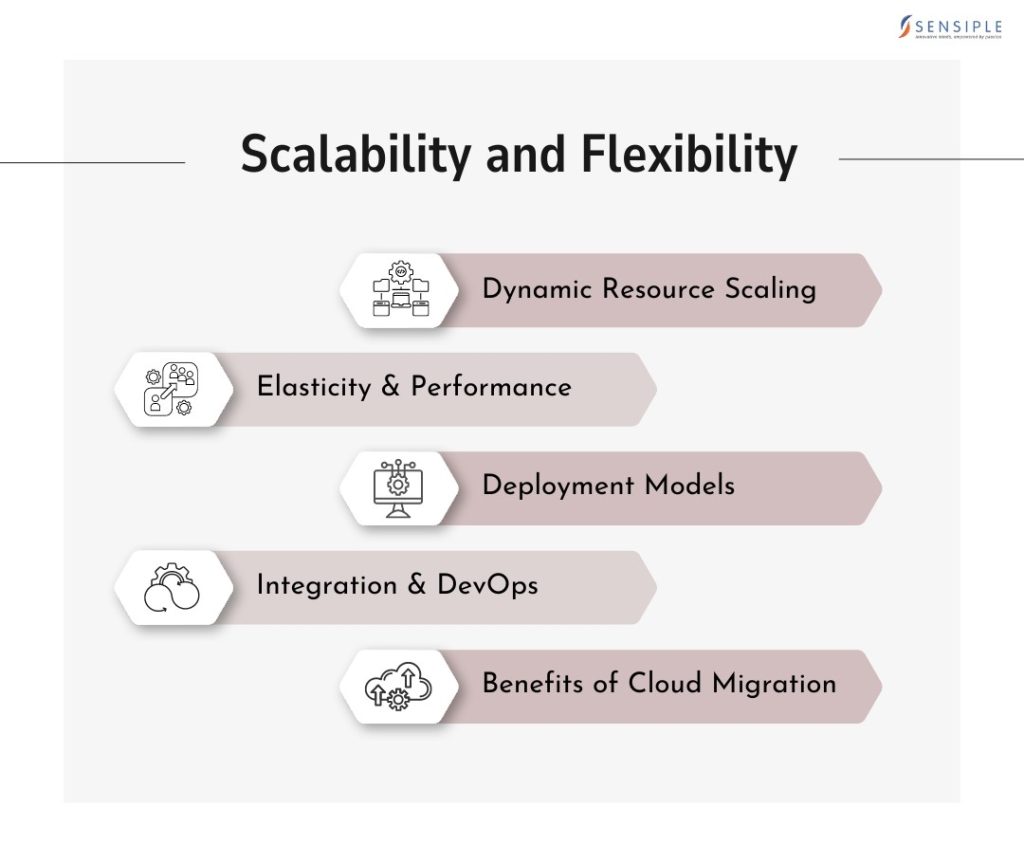
Scalability and Flexibility
- Dynamic Resource Scaling
Cloud Connectivity allows enterprises to dynamically scale resources to meet fluctuating demand. Unlike on-premises infrastructure, cloud service enables rapid scalability without significant upfront investment, providing flexibility and cost efficiency.
- Elasticity & Performance
Cloud services offer flexibility by automatically scaling up or down resources based on workload. This assures maximum performance and cost effectiveness because you only pay for the resources you utilize. Data centers in many areas minimize latency and increase global performance.Cloud providers typically have data centers located in multiple regions around the world. This allows enterprises to deploy their applications closer to their users, reducing latency and improving performance for a global customer base.
- Deployment Models
Cloud computing provides several deployment models, including public, private, and hybrid clouds. This flexibility allows enterprises to choose the model that best suits their specific requirements for security, compliance, and performance.
- Integration & DevOps
Robust APIs allow for smooth interaction with existing systems, resulting in adaptive, linked ecosystems. Cloud platforms facilitate DevOps approaches by improving development cycles, collaboration, and agility in application deployment and administration.
- Benefits of Cloud Migration
Moving to the cloud allows you increased scalability and flexibility, resulting in speedier innovation, better market responsiveness, and higher customer happiness.
Network Infrastructure and Bandwidth
A strong network infrastructure is required for reliable cloud connectivity. Enterprises must evaluate their existing network architecture to determine if it can support the increased bandwidth requirements associated with cloud-based services.
This may involve upgrading networking equipment, optimizing network configurations, or investing in dedicated connectivity solutions such as virtual private networks (VPNs) or direct connections. By ensuring adequate bandwidth and network performance, enterprises can prevent latency issues and optimize the user experience for cloud-based applications and services. Key points to consider include:
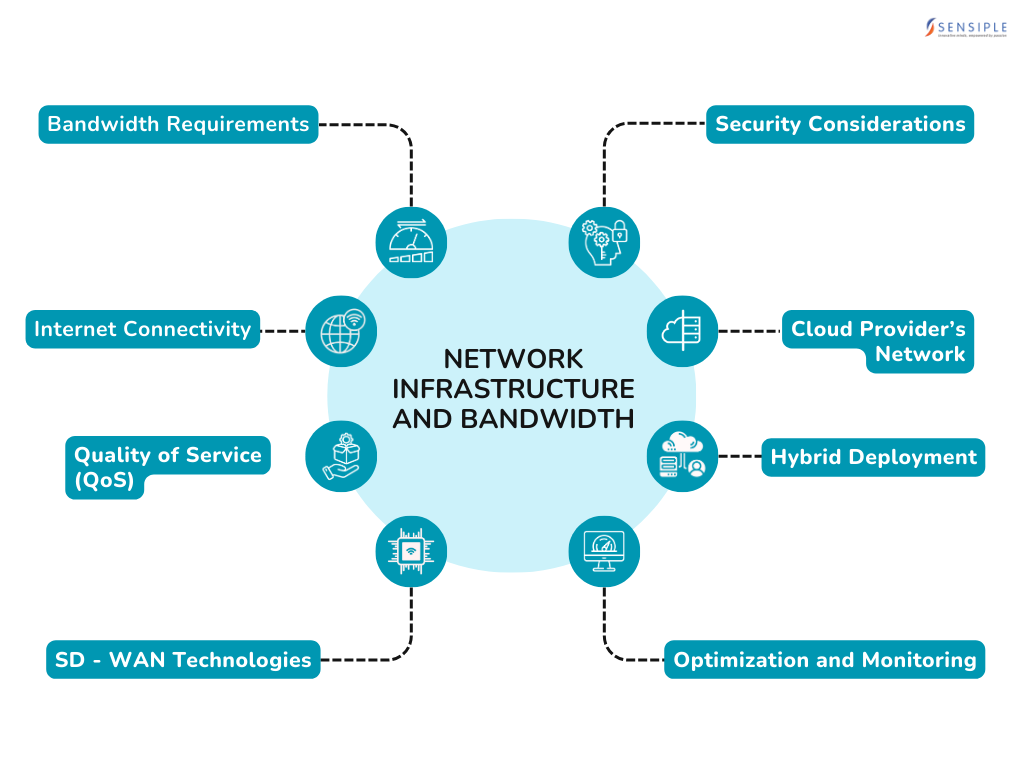
- Network Redesign: Transitioning to the cloud typically involves redesigning the network architecture. Instead of relying on local area networks (LANs) within the premises, the focus shifts towards wide area networks (WANs) to connect users to cloud services and data centers.
- Bandwidth Requirements: Bandwidth demands often increase when migrating to the cloud due to the reliance on internet connectivity for accessing cloud-hosted applications and services. Therefore, it’s crucial to assess current bandwidth capacity and anticipate future needs based on the expected usage patterns in the cloud environment.
- Internet Connectivity: Robust internet connectivity becomes a critical component for accessing cloud resources efficiently. Redundant internet connections may be necessary to ensure uptime and mitigate the risk of connectivity issues.
- Quality of Service (QoS): Implementing QoS mechanisms becomes essential to prioritize traffic flows and ensure that critical applications receive adequate bandwidth and low latency, especially in environments where multiple applications compete for network resources.
- SD-WAN Technologies: Software-defined wide area networking (SD-WAN) technologies can offer greater flexibility, agility, and cost-effectiveness in managing network traffic across distributed locations. SD-WAN solutions optimize traffic routing and can dynamically adjust bandwidth allocation based on application requirements.
- Security Considerations: As data traverses over the internet to reach cloud services, security becomes paramount. Implementing robust encryption, secure access controls, and monitoring tools are essential to safeguard data and prevent unauthorized access or data breaches.
- Cloud Provider’s Network: Understanding the network infrastructure of the chosen cloud provider is crucial. Factors such as data centre locations, network latency, and availability zones impact the overall performance and reliability of cloud-hosted applications.
- Hybrid Deployments: In some cases, enterprises may opt for hybrid cloud deployments, where certain workloads remain on-premises while others are migrated to the cloud. In such scenarios, network connectivity between on-premises and cloud environments must be carefully configured to ensure seamless integration and data exchange.
- Monitoring and Optimization: Continuous monitoring of network performance and utilization is necessary to identify bottlenecks, optimize resource allocation, and ensure a smooth user experience. Utilizing network monitoring tools and implementing regular performance assessments can help in proactively addressing any issues that may arise.
Security and Compliance
Security is a paramount concern for enterprises transitioning to the cloud. While cloud service providers offer robust security measures, enterprises must still implement additional safeguards to protect sensitive data and ensure compliance with regulatory requirements. This may include encrypting data in transit and at rest, implementing multi-factor authentication, and establishing access controls to prevent unauthorized access to cloud resources. Additionally, enterprises should conduct thorough risk assessments and security audits to identify potential vulnerabilities and mitigate security risks associated with cloud connectivity.
Integration and Interoperability:
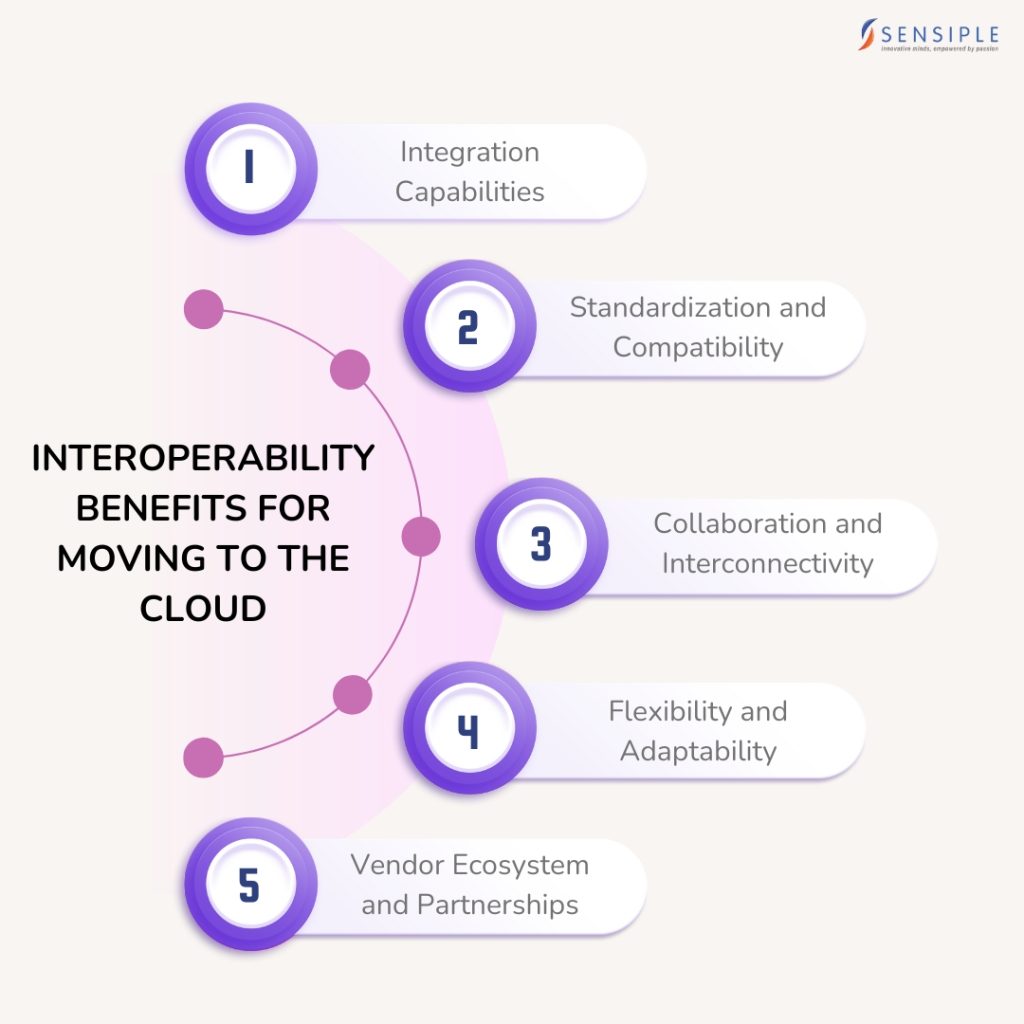
Seamless integration between on-premises systems and cloud services is crucial for ensuring business continuity and leveraging cloud expenditures. Enterprises must evaluate their infrastructure and find interface points to guarantee seamless data transfer and interoperability. This entails leveraging APIs, middleware, or integration platforms to automate data interchange and workflows, therefore optimizing procedures and enabling innovative prospects.
Many businesses use a combination of proprietary and third-party on-premises apps, making cloud integration critical. This might include re-platforming, reworking, or replacing outdated programs with cloud-native solutions. Data migration necessitates flawless integration, including data purification, transformation, and interoperability with cloud systems.
APIs are critical for facilitating communication between on-premises and cloud systems. API management and middleware enable standardized interfaces for data sharing and transaction processing. A complete IAM approach is required to handle user identities, access controls, and authentication in hybrid settings. Federated identity management and single sign-on (SSO) solutions improve access and security.
Inter-cloud connection is critical for accessing different cloud providers, facilitating data exchange, workload movement, and disaster recovery across platforms. Secure communication in a hybrid cloud environment is critical, including technologies such as VPNs, direct connections, and hybrid cloud management tools.
Cloud integration is a continual process that requires constant progress. Regularly improving integration techniques, design, and technology enables adaptation to changing demands and breakthroughs. Addressing these concerns enables a successful move from on-premises to cloud, increasing scalability, agility, and cost effectiveness.
Cost Management and Optimization
While cloud connection saves money compared to traditional on-premises infrastructure, businesses must carefully monitor and optimize cloud expenditure to avoid unanticipated charges. This includes monitoring resource consumption, establishing cost allocation techniques, and optimizing performance and efficiency via cloud management tools.
When analyzing cloud connectivity choices, enterprises should also examine data transfer costs, storage needs, and pricing structures to ensure that they meet budgetary restrictions and financial objectives. Moving to the cloud allows for the consolidation of IT infrastructure, which reduces the need for many data centers and servers, resulting in cost savings and improved resource utilization.
Cloud services sometimes operate on a pay-as-you-go basis, allowing businesses to only pay for the resources they use. This flexibility helps alter expenditure based on company needs, preventing over-provisioning and decreasing total costs.
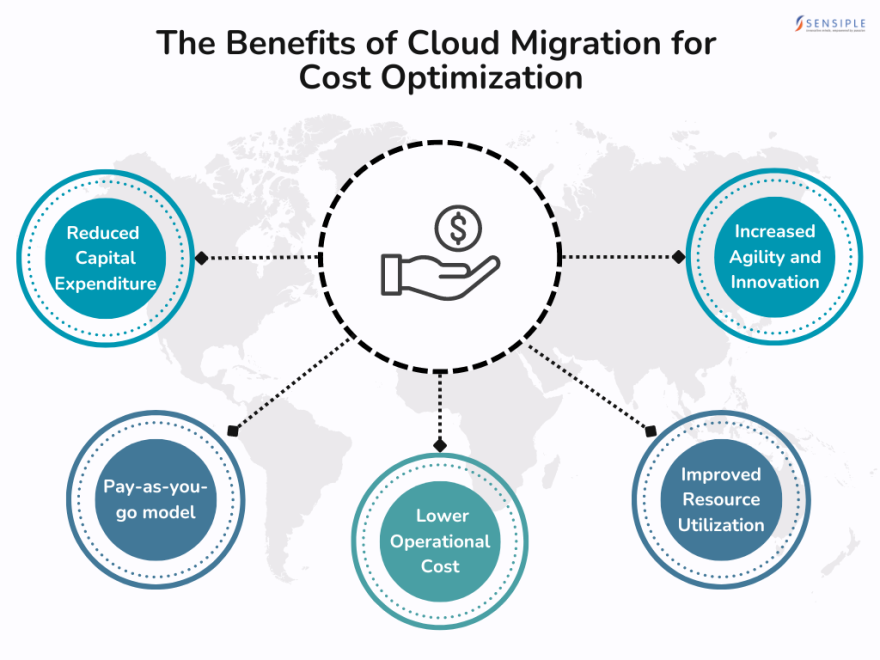
Constraints and Financial objectives
In conclusion, transitioning from on-premises to the cloud provides significant benefits for businesses, it necessitates careful consideration of connection needs. By addressing scalability, network infrastructure, security, integration, and cost management, businesses can effectively negotiate the shift and realize the full potential of cloud-based solutions. Enterprises may increase innovation, agility, and competitiveness in today’s digital economy by strategically planning and implementing cloud connection.
Ready to transform your business and leverage the power of the cloud? Partner with us to guarantee a smooth, secure, and efficient move. Our experience in cloud integration and networking will assist you in achieving unrivaled scalability, strong security, and efficient cost management. Embrace the future of company with confidence to stay ahead in the digital era. Contact Sensiple today to get started on your cloud journey.
Your Partner for End-to-End Digital Excellence
Accelerating transformation with integrated cloud, data, AI, automation, and CX solutions.
Let’s Talk
Ready for a new journey? Contact us
today to get started
Here are some related Blogs you may find interesting: